


Cannobio, the heart between
lake and mountains
A village suspended between tradition and nature,
inspiring our craft beers.
THE HISTORY OF CANNOBIO
FROM PREHISTORY TO LAKE MAGGIORE
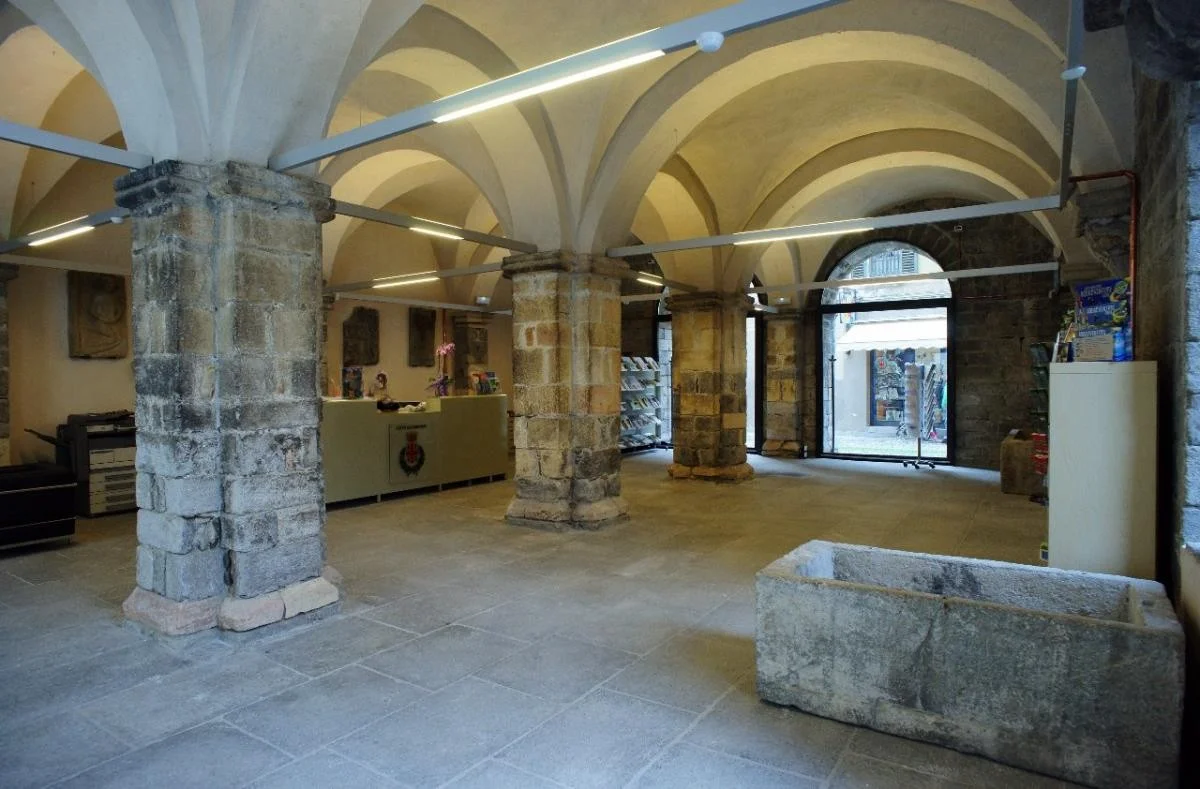
Archaeological discoveries prove that Cannobio existed long before Rome. Pre‑Roman burials, whose memory faded between the 16th and 17th centuries, reveal very ancient settlements along these shores. With the Roman Empire the territory transformed: Cannobio became a strategic trade center, directly connected by water to Mediolanum. First‑ and second‑century AD sarcophagi, still visible in the Palazzo della Ragione, speak of merchants, trade routes and a civilization able to read the hidden value of the waters.
THE MIDDLE AGES OF FREE COMMUNES
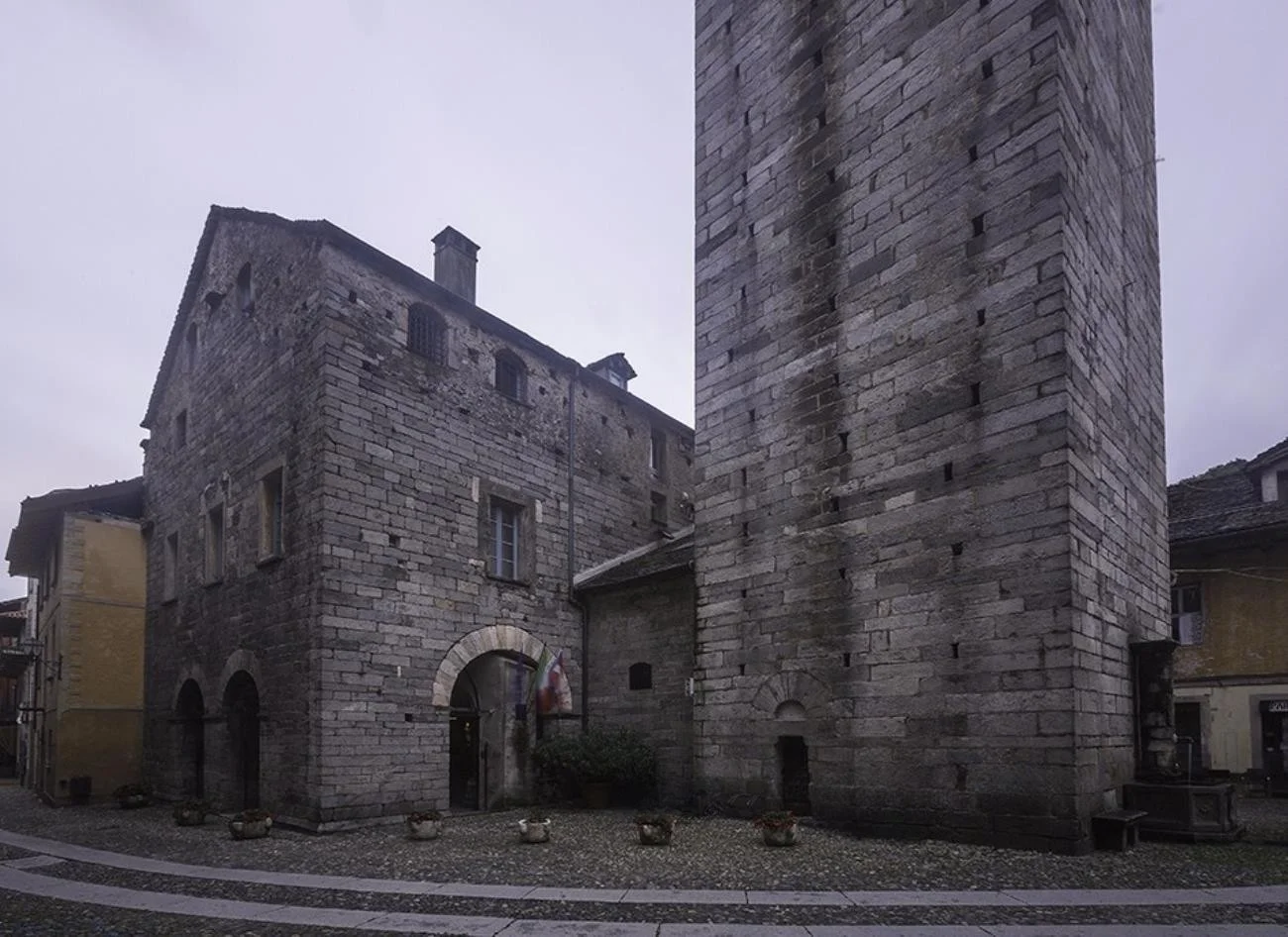
In 1207 Cannobio received the title of “Borgo” and reached its medieval peak. These were the years of communal freedom, when enterprising hands wove a commercial network across the lake. Fragrant timber from the valleys, fine hides bound for Milan, the fruits of an economy that generated autonomy and wealth. In 1291 the Palazzo della Ragione was built: not just a building, but the physical symbol of civic power, where citizens decided their destiny. Its bell tower still watches over the square, silent witness to eight centuries of history.
THE MIRACLE THAT CHANGED THE CITY
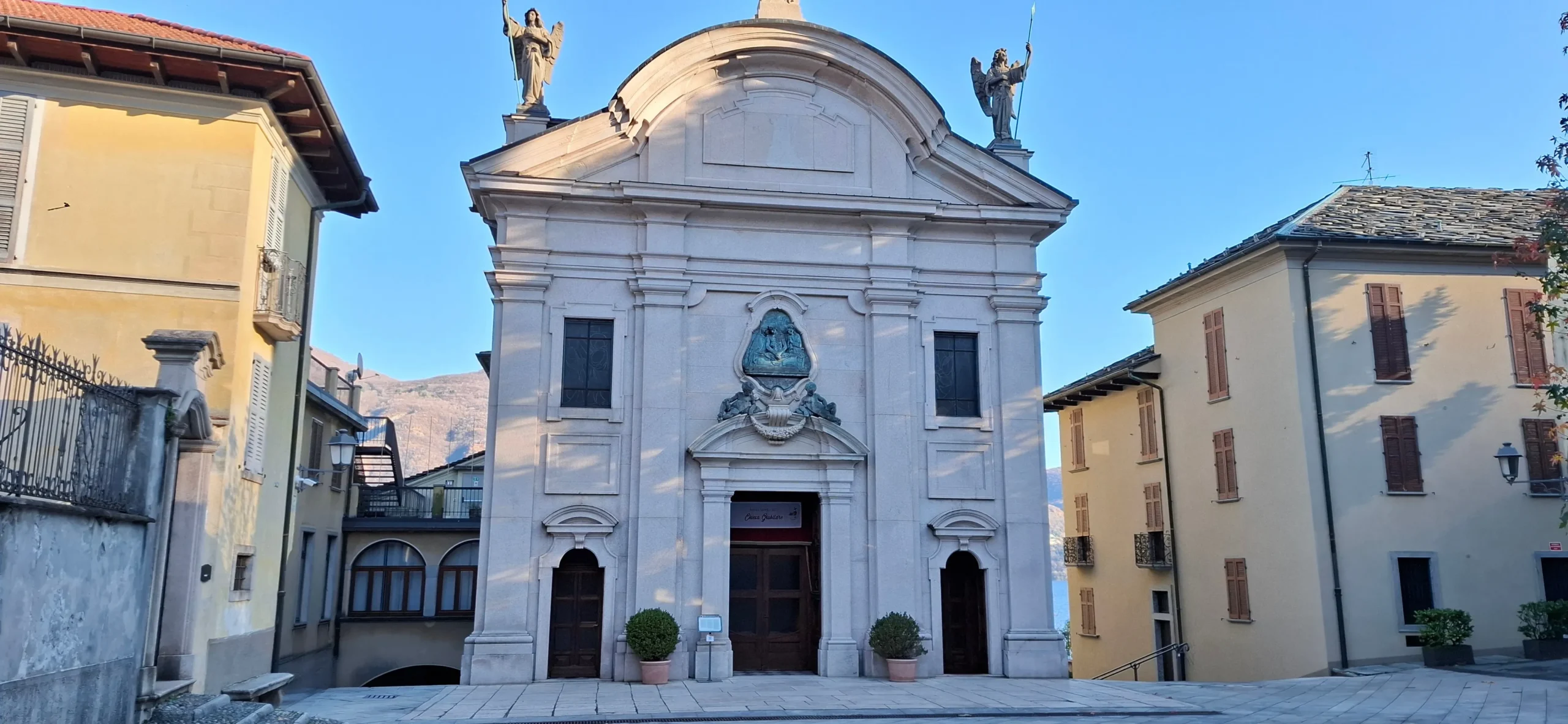
In January 1522 the inexplicable happened. An image of Christ painted on parchment, kept in a private room, began to bleed. Then something even more extraordinary: a rib proportioned to Christ’s body fell from the parchment. News spread like fire. Sixty years later Saint Charles Borromeo himself arrived and ordered the construction of a great Sanctuary. Built between 1575 and 1614, the church is not mere stone: it is the crystallization of collective faith, a place where the territory rediscovered deep spiritual meaning. Inside it preserves Gaudenzio Ferrari’s Ascent to Calvary, one of Italian painting’s masterpieces.
THE INDUSTRIAL AGE AND THE ROAD TO THE FUTURE
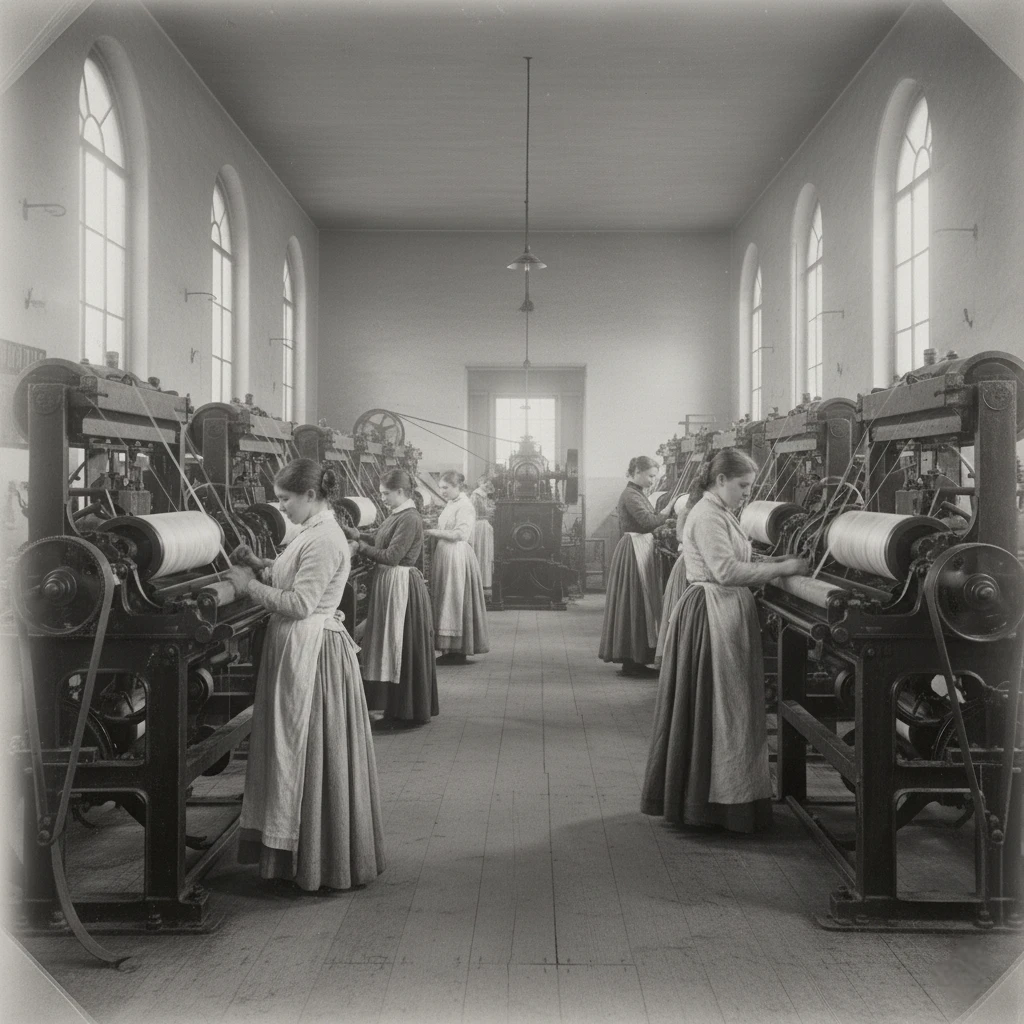
In 1863 the lakeside road reached Cannobio, connecting it to the rest of Italy. A turning point. From the rushing waters of the Cannobino stream industry was born: Gilbert’s silk mill employed a thousand women, paper mills produced sheets, sawmills cut timber. The agricultural economy evolved into an industrial one. Yet Cannobio remained rooted: the same waters that once fueled medieval trade now powered modern machinery, generating work and prosperity until the 1960s.
FROM POSTWAR YEARS TO TODAY: LAKE, TOURISM AND COMMUNITY
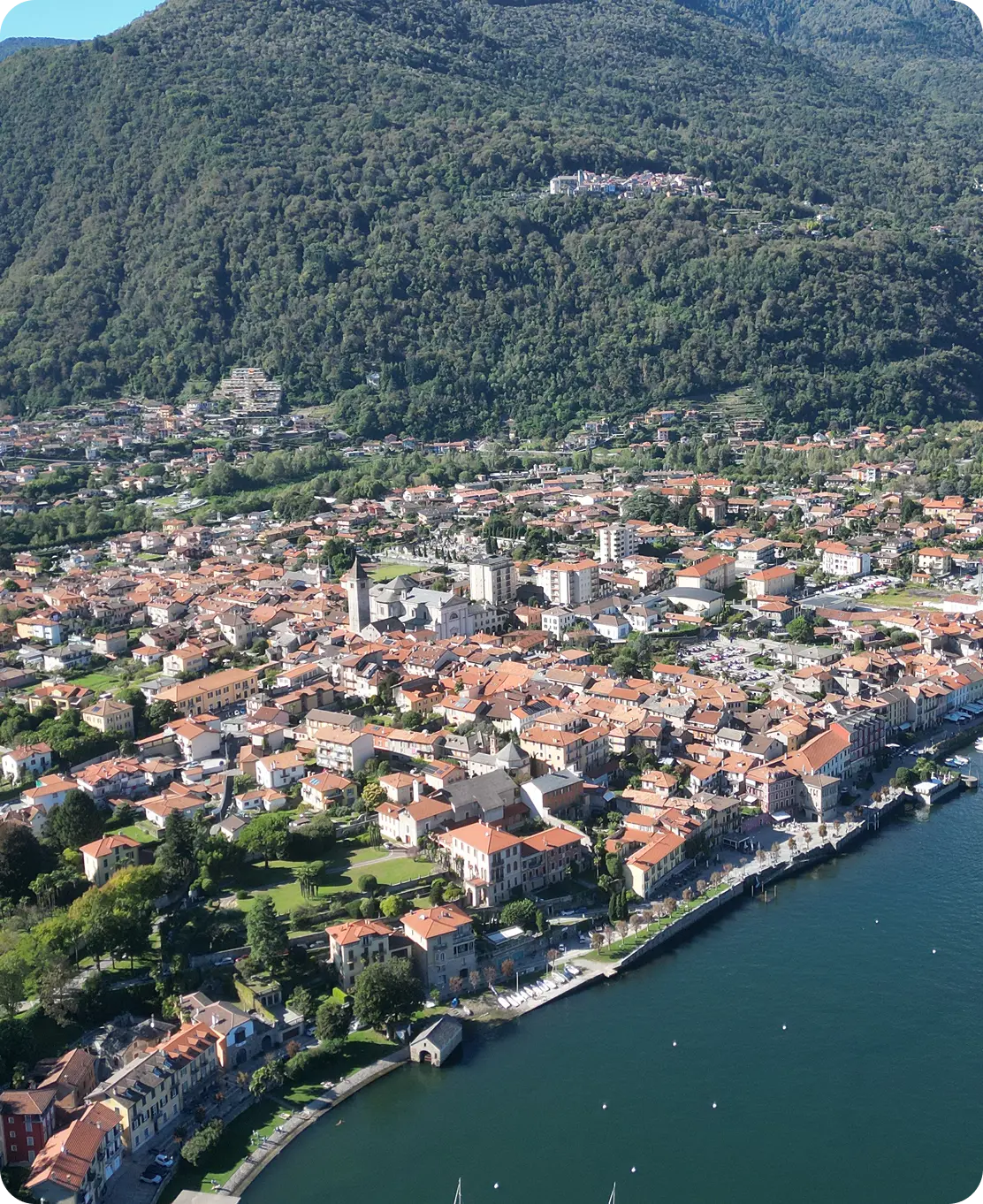
After the Second World War, Cannobio chose a new path. Factories gradually closed, yet the territory did not empty. Tourism became the thread linking past and future: thousands of visitors each year discover the Orrido di Sant’Anna, walk through the medieval old town, and pause along the lakefront to contemplate the water. Today many cross‑border workers commute to Switzerland, young innovators build new projects, and the community carefully preserves its heritage. It is a land of balance: between memory and innovation, nature and culture, local and global.


In every corner of Cannobio there is a story of nature, time and dedication.
It is among the clear waters of the Orrido, the paths of Monte Giove and the quiet
of the Cannobina Valley that we find inspiration each day.
Here, where the mountains meet the lake, our beers are born: different in
character, yet united by the same authentic spirit of the land.