


Not a classic brewery, but as the name suggests,
a
Craft Beer Laboratory
“On the shores of Lake Maggiore our craft beers are born ”
OUT STORY

“A journey shaped by passion, family and territory
that gave life to our craft beers”

The Idea
It all began with two brothers and their conversations in local bars, drinking their first craft beers and dreaming about what it would be like to brew beer at home

The Experiments
The years of study and experiments (the first batches undrinkable) and tastings that, over time, began to gain approval among friends used as test subjects

The Brewmaster
Roberto, one of the two brothers, attends a professional course and after 2 months of theory and 4 of practice, successfully becomes a certified Brewmaster
The Recipes
After several years of home attempts using professional brewing methods, the first 10 recipes are definitively created following the most popular styles

The Launch
The beer firm is launched with a production agreement with a craft brewery in Verbania and, from March, the first batches of Giove, Orrido and Leone are produced
THE BREWING PROCESS
“From raw materials to the glass, a journey shaped by passion, experimentation and craftsmanship ”

MALT MILLING
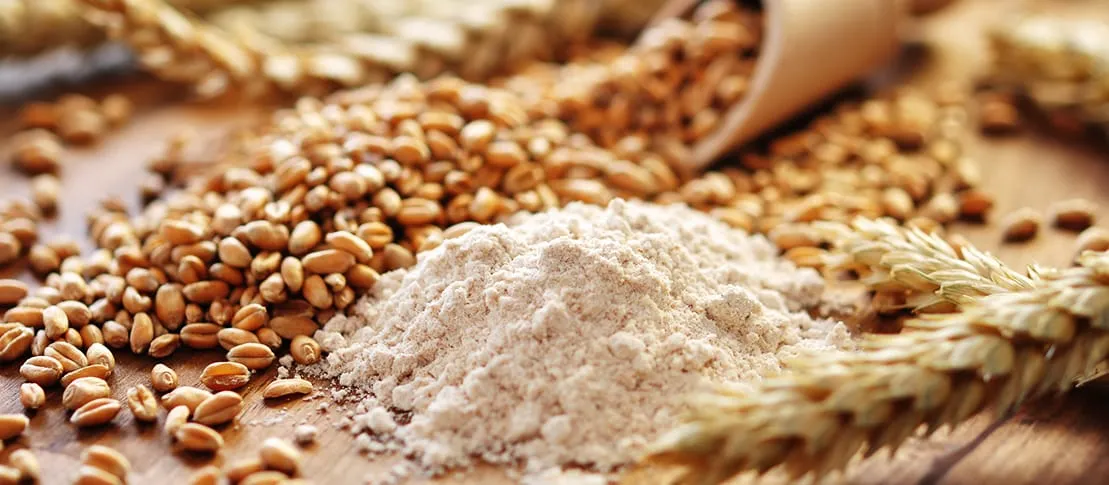
The malts, carefully selected according to the recipe, are crushed to make starch extraction easier during the brewing process. This step, seemingly simple, is fundamental: the precision of milling determines both extraction quality and the future body of the beer. It is the moment when raw materials begin to transform, releasing fresh cereal aromas that will define the final product.
Mashing and Lautering
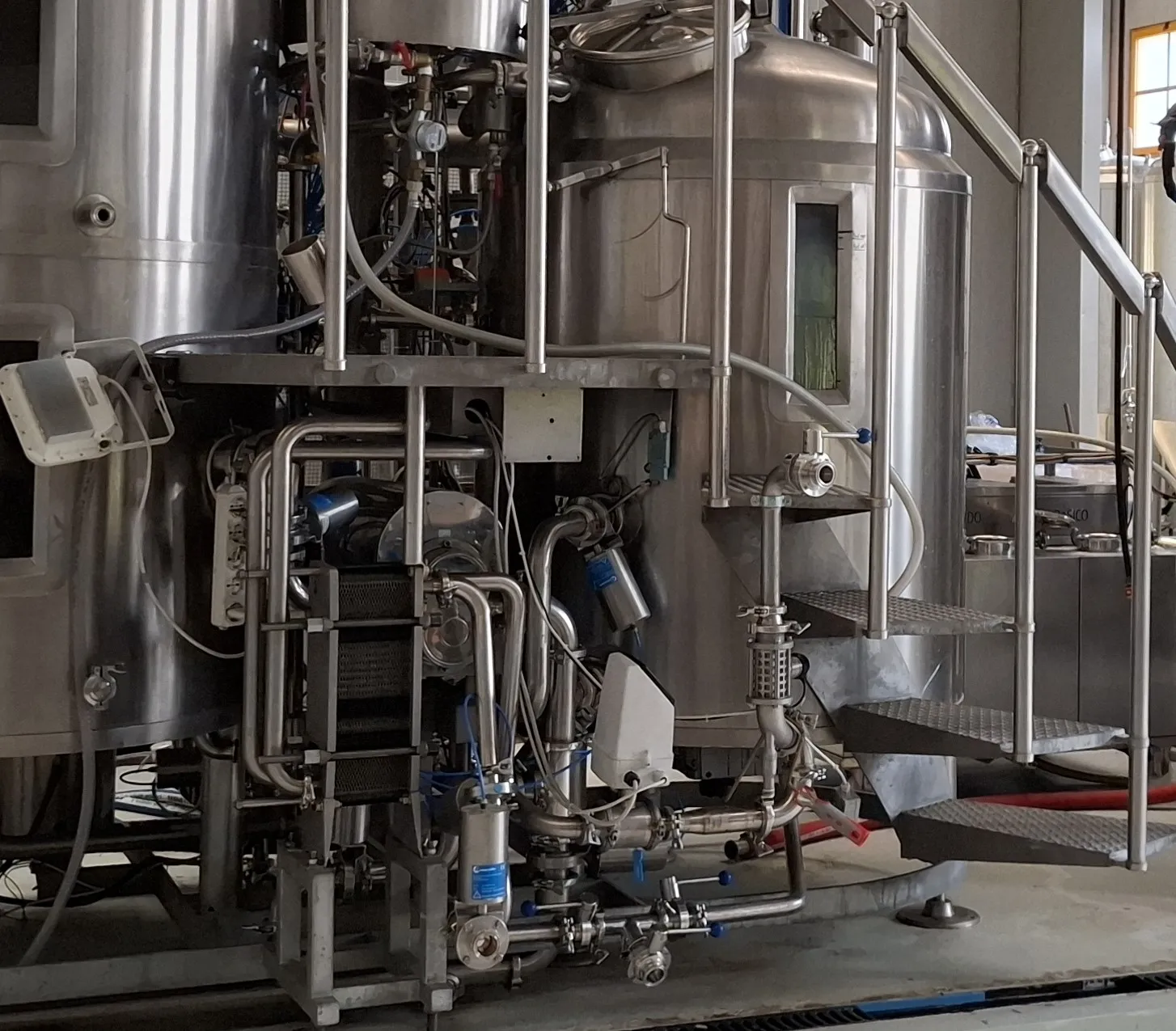
The milled malt meets hot water at precise temperatures between 45°C and 78°C: enzymes break down starches and proteins into fermentable sugars. Each temperature activates specific enzymes that influence body and sweetness. Once saccharification is complete, the mash moves to the lauter tun where spent grains form a natural filter bed. The wort is recirculated until clear, followed by rinsing with hot water to extract the last valuable sugars. A process requiring patience and precision.
Boiling and Hopping
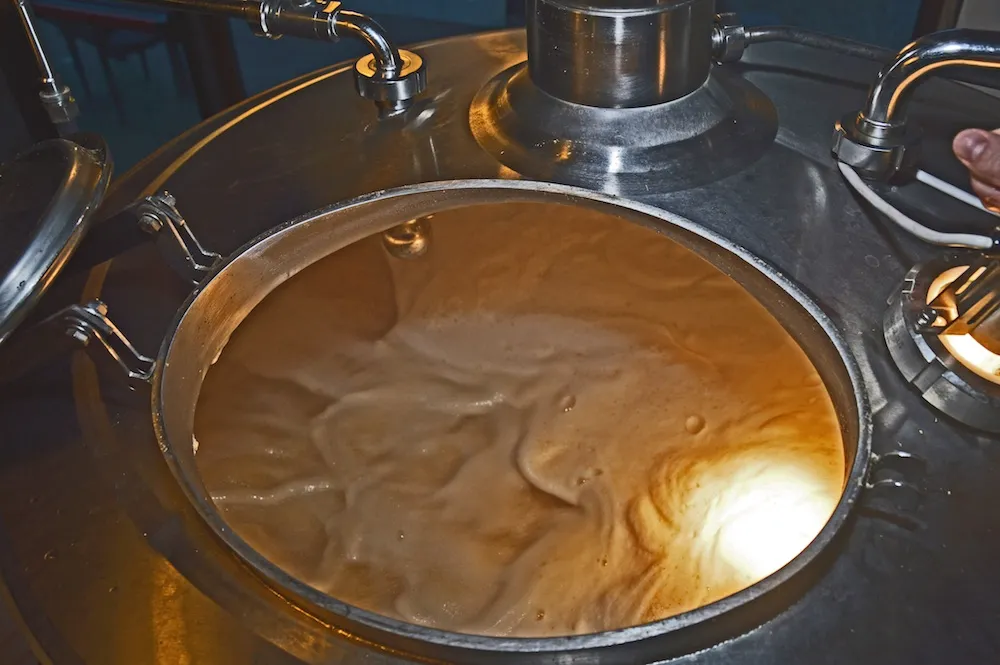
In the heart of the brewhouse, the wort reaches a vigorous boil at 100°C for about 60 minutes. It is time for hops: multiple additions at different stages provide bitterness, flavor and complex aromas. Boiling sterilizes the wort, concentrates sugars, coagulates unwanted proteins and develops color. Hop resins dissolve, releasing essential oils that shape the aromatic profile. Rising steam tells the story of the alchemy taking place in the kettle.
Cooling
The boiling wort must quickly drop from 100°C to 10–20°C to prevent bacterial contamination and unwanted compounds. Plate heat exchangers or coils cooled by icy water perform this transformation in 15–20 minutes. Speed is crucial: between 40°C and 70°C bacteria can thrive and spoil the beer. The cooled wort is also aerated to provide the oxygen needed by yeast during the initial fermentation phase.
Fermentation and Maturation
In the fermenter, yeast converts sugars into alcohol and carbon dioxide at controlled temperatures between 10–23°C depending on the style. After 5–10 days of primary fermentation, maturation begins: weeks or months at low temperatures during which the beer clarifies naturally, flavors harmonize and aromas integrate. Residual yeast and proteins settle, giving balance and complexity. The brewer’s patience is rewarded with a refined and elegant product.
Bottling and Labeling
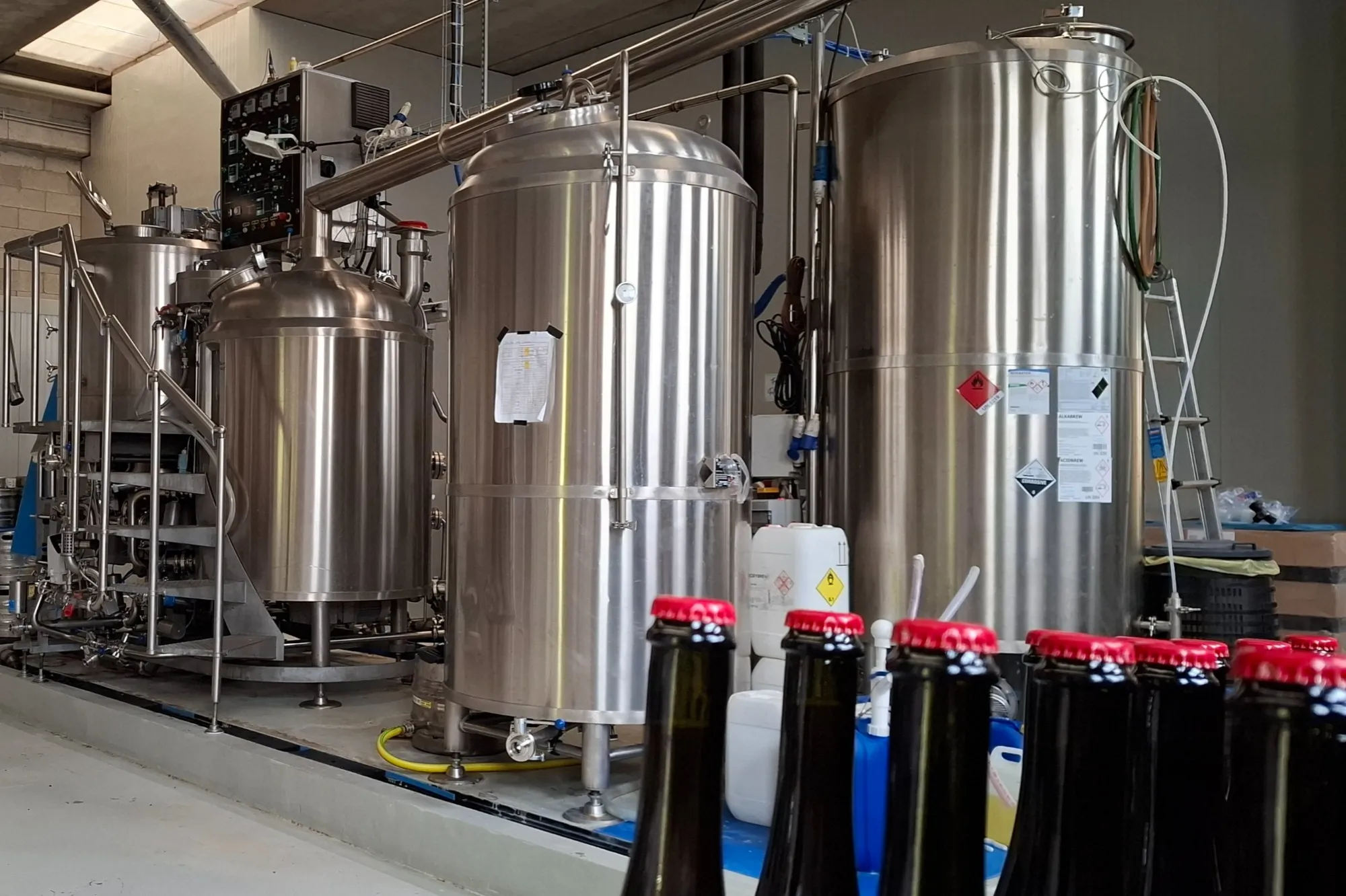
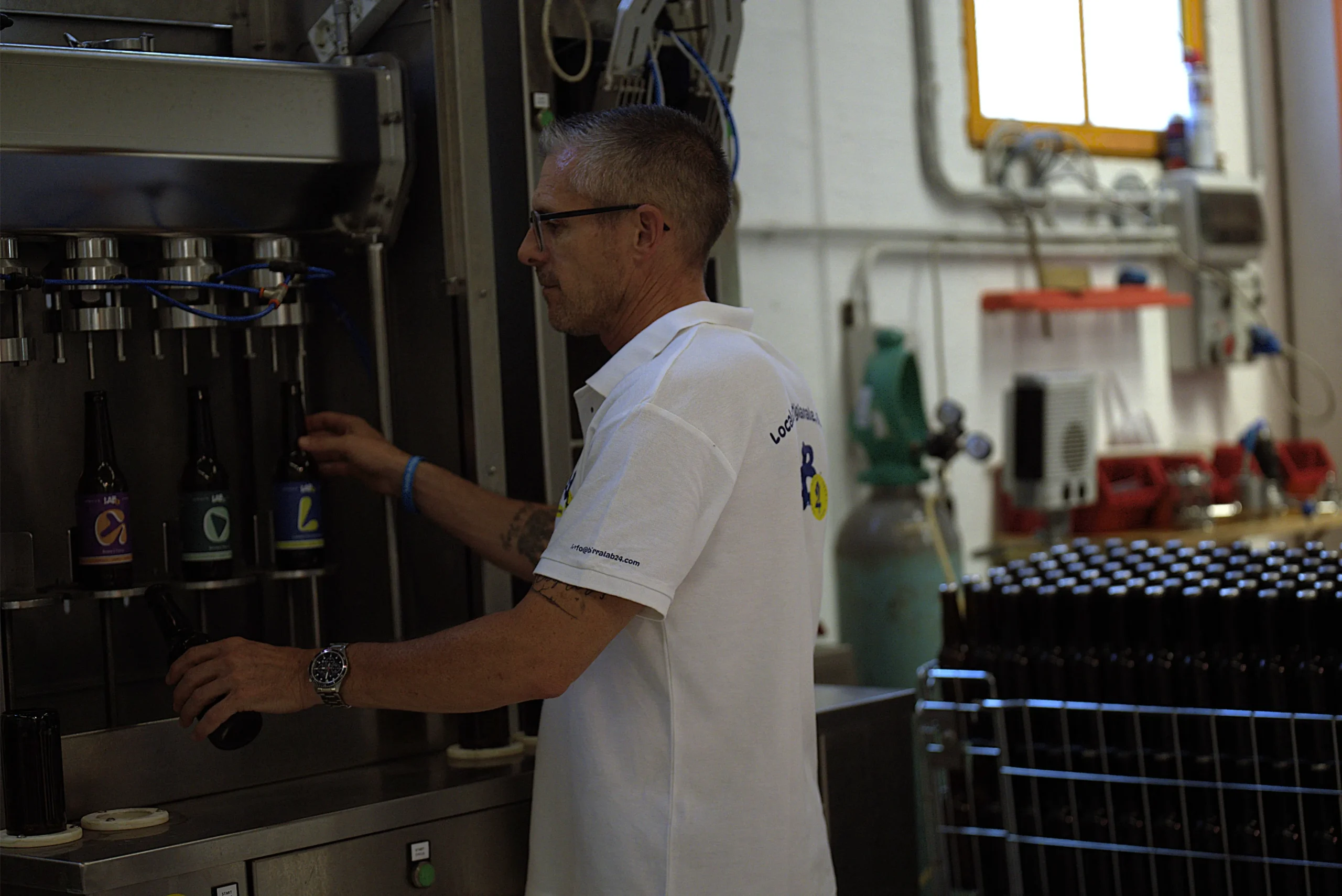
The final stage sees the beer transferred into bottles through systems that preserve the qualities developed during the brewing process. Bottles are carefully sealed to maintain freshness and quality. The final label tells the beer’s identity while complying with regulations requiring specific information. Each bottle carries the story and passion of the brewer, ready to be discovered by the consumer.

THE BREWERY
“The beating heart of the process”
Don’t miss the opportunity to visit the brewery and discover all the secrets of the production process
Book a visit